Sanford Blackinton
Throughout his lifetime, Sanford Blackinton transitioned between many trades, such as agriculture, brick work, and eventually textiles. Blackinton’s economic brilliance helped his business and wealth grow tremendously by the time of his death.
Text
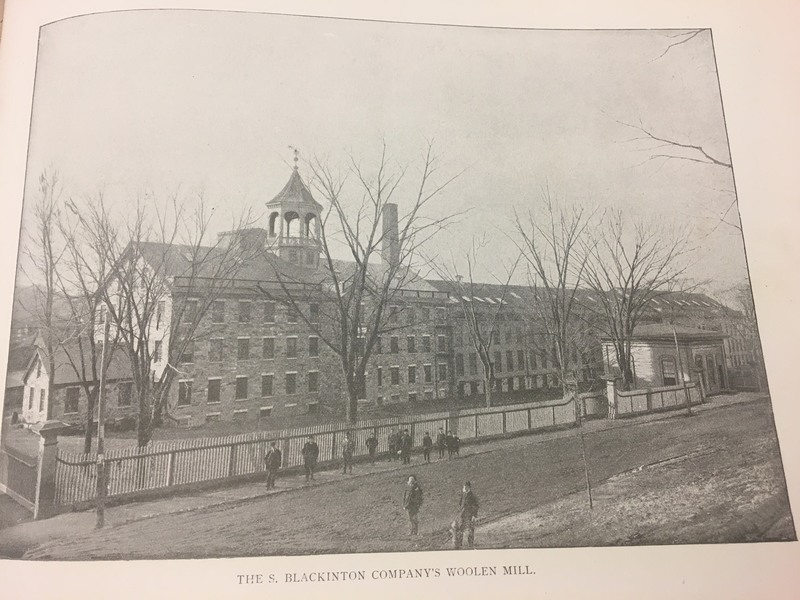
Sanford Blackinton was born on December 10, 1797, in Attleboro Massachusetts. When he was two years old his family moved to North Adams. As a child he worked with his father on his farm, when he was older he moved into brick work with his older brother, eventually using their own bricks they had built a home for their parent. After a couple of years of brick work, Sanford apprenticed with Artemis Crittenden in a woolen mill, where he learned the trade. In 1821 as a young adult he partnered with Rufus Walls and J.L. White, creating a woolen factory. As the textile industry increased in England they expanded their mill to meet the influx of woolen textiles. A few years later, Sanford partner, White, sold his shares in the company and moved away. After an accident at the mill Wells died, and Sanford Blackinton became the sole owner of the mill.
By 1834 Blackinton had gotten married and started a family. As Blackinton’s business expanded, in 1838 he also built housing for his workers, and a company store. In 1861 Blackinton’s son joined in his father’s business and the company’s name was changed to S. Blackinton and Son. During the Civil War the demand of wool increased and the Blackinton mill made woolen goods for the Union army. With the amount of wealth that Blackinton earned because of the war he expanded his business and added in new machinery and also built a mansion. He and his wife moved to Main street in 1872. Due to his economic brilliance he was asked to be president of the North Adams National Bank.
In 1871, Blackinton decided to build the Blackinton Union Church as a place of worship for the people of North Adams. In 1876 the workers of the Blackinton Mill went on strike, workers complained about long hours and low wages. During the strike Sanford was ruthless to the workers, he threatened many times that if the workers did not return to work and its current wages and hours then they would be fired. Men. Women and children were expected to work between 11 and 13-hour days for 247 days a year, and they would only make around one-dollar a day, while Blackinton was a millionaire. After a couple weeks the employees of the Blackinton Mill returned to their jobs with no change in pay or hours.
On July 24, 1885, Sanford Blackinton died, leaving behind his wife and fortune. He is buried in North Adams’ Hillside Cemetery.
Map Coordinates: 42.6996279, -73.1233696
Files

Sanford Blackinton Gravestone
Source: Photo by Ely Janis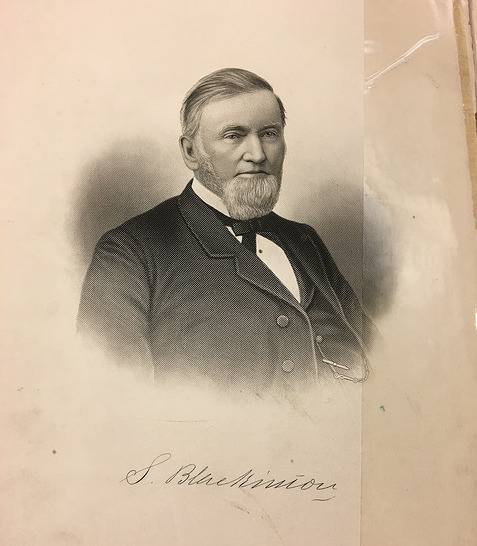
Photo of Sanford Blackinton
Source: Courtesy of the North Adams Public Library.
Lithograph of Blackinton, Massachusetts (1889)
Source: By http://maps.bpl.org - Blackinton, Mass.Uploaded by tm, CC BY 2.0, https://commons.wikimedia.org/w/index.php?curid=27808217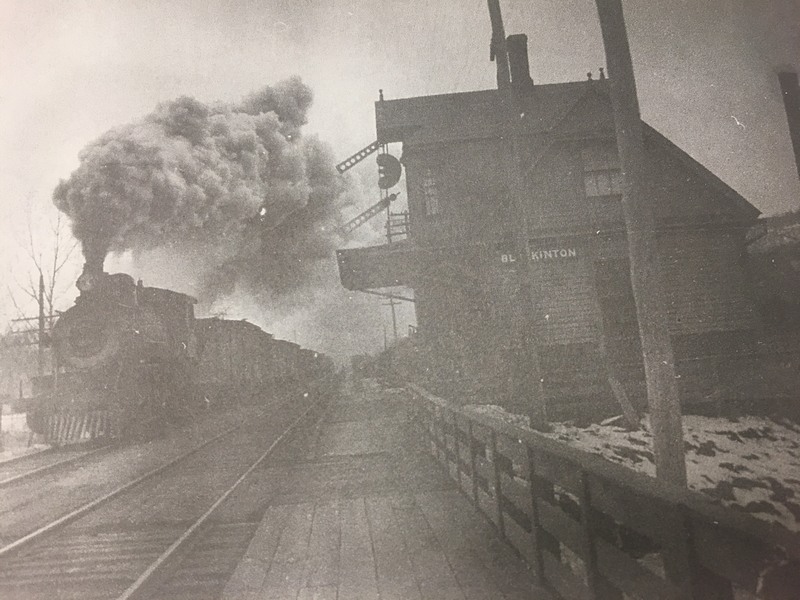
Train Station
This image shows the train station in North Adams. The station was important for importing raw materials such as wool, and exporting products from the Blackinton Mill. | Source: Courtesy of the North Adams Public Library.
Blackinton Block, Downtown North Adams
Source: Courtesy of the North Adams Public Library.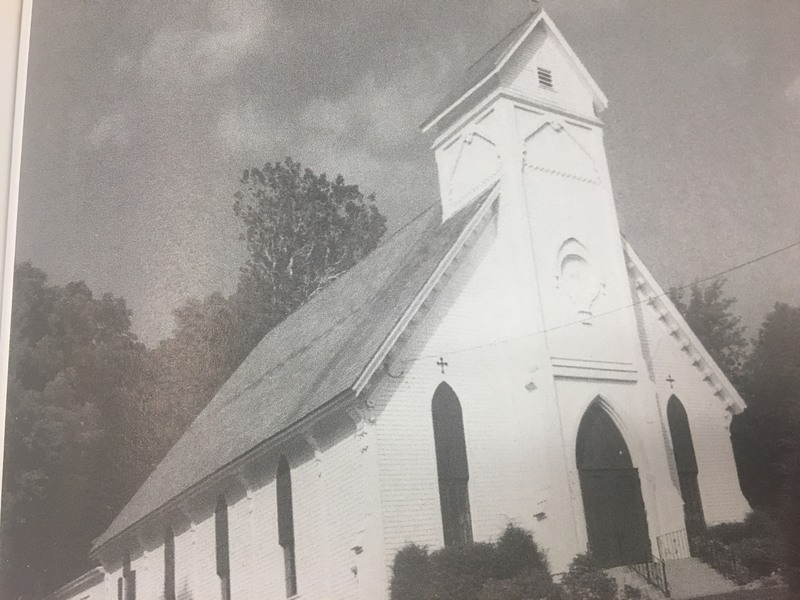
Blackinton Union Church
The funding for building Blackinton Union Church in 1871 came from Sanford Blackinton.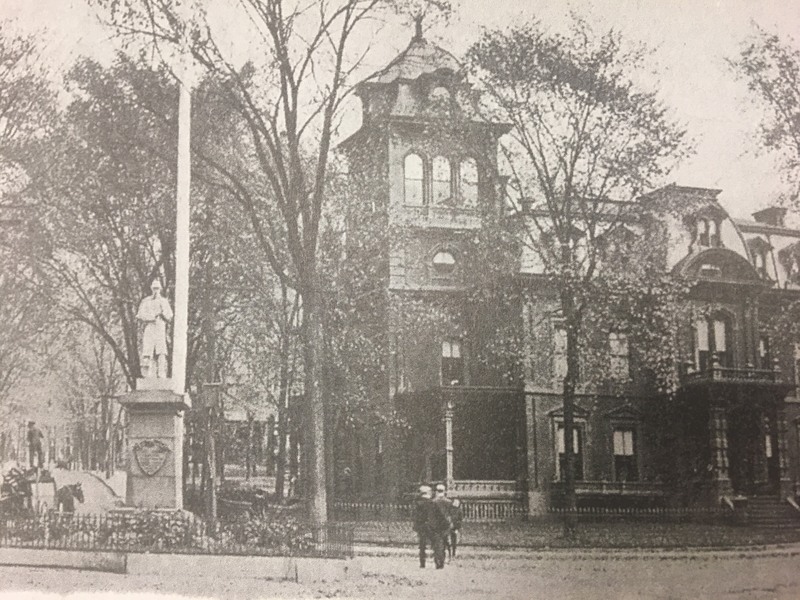
Blackinton Mansion
Formerly the residence of Sanford Blackinton, today this mansion is the home of the North Adams Public Library. | Source: Courtesy of the North Adams Public Library.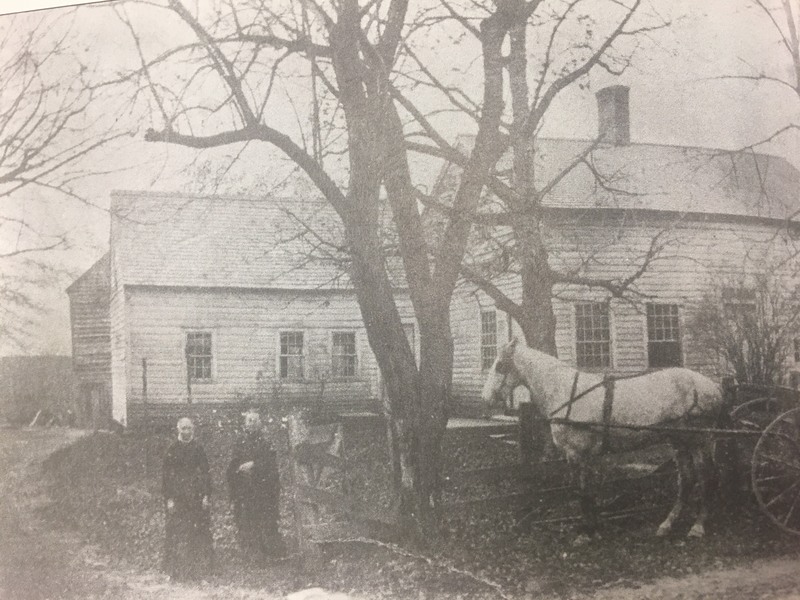
Blackinton Farm
This is where Sanford Blackinton spent most of his childhood. | Source: Courtesy of the North Adams Public Library.